In short
- Check the title first. The easement or ownership document sets what can be built.
- Nothing can block or narrow the legal width of a shared driveway.
- A fence on the boundary beside the driveway is usually covered by the Fencing Act like any other boundary fence.
- A gate across a shared driveway needs every user to agree.
You can usually build a fence beside a shared driveway in New Zealand, and you usually cannot build one on it. The difference comes down to what your title says. A shared driveway is a legal arrangement as well as a strip of concrete, and any fence or gate has to leave every other user's rights of access untouched.
What kind of shared driveway do you have?
There are four common set-ups, and the rules differ for each.
- Right of way easement. One property owns the driveway land, and the others have a registered right to pass over it. This is the most common arrangement for rear sections.
- Jointly owned access lot. The driveway is its own piece of land, and each property owns a share.
- Cross lease. The owners hold the whole site together and lease their own houses. The driveway is common area, and the lease usually requires the other owners to consent to any new structure, fences included.
- Unit title. The driveway is common property run by the body corporate, and its rules apply.
Order a copy of your record of title and any easement documents from Land Information New Zealand, or ask your lawyer for them. It costs little and answers most questions before they turn into arguments.
Shared driveway rules in NZ: the basics
Where the easement document does not say otherwise, standard rights and duties are implied by law for rights of way. In general terms:
- Every party entitled to use the driveway can pass along it at any time, on foot or by vehicle, and so can their visitors.
- Nobody may do anything that blocks or interferes with that use. That includes parking on it, stacking things on it, and building on it.
- The cost of maintaining and repairing the driveway is shared between the users, equally unless the document sets another split.
- Someone who damages the driveway pays to fix it.
Many easement documents add their own terms, and some include covenants about fencing. The document on your title is what counts. For anything unclear or disputed, get legal advice.
A fence beside the driveway
A fence on the legal boundary between your section and the driveway land is the usual case, and it is generally fine as long as it does three things.
- It sits on or inside the boundary. Not on the driveway side of it. Find the pegs. On older rear sections the concrete does not always follow the legal line.
- It leaves the full legal width clear. Posts, footings, capping and gate swings must stay out of the right of way. Rubbish trucks, emergency vehicles and moving trucks need the room.
- It does not hide people. Where the driveway meets the footpath, a tall solid fence stops a reversing driver seeing a child on a scooter. Keep the fence low or open for the last few metres, and check whether your district plan has a visibility rule at vehicle crossings.
Height is covered by the same rules as any other fence. No building consent is needed up to 2.5 metres, but district plan limits and covenants apply. See fence height rules in Christchurch.
Who pays for it?
If the fence is on the boundary between your land and land occupied by someone else, the Fencing Act 1978 generally applies as it does to any boundary fence. The neighbour on the other side shares the cost of an adequate fence, after a proper notice or an agreement.
It is less tidy with driveways. If the land on the other side is a jointly owned access lot, several owners may be involved. If you own the driveway land yourself and others only have a right to cross it, a fence between your house and your own driveway is your cost alone. Work out who actually occupies the land on each side before sending anyone a bill. The Fencing Act guide explains notices and cost sharing.
A gate across the driveway
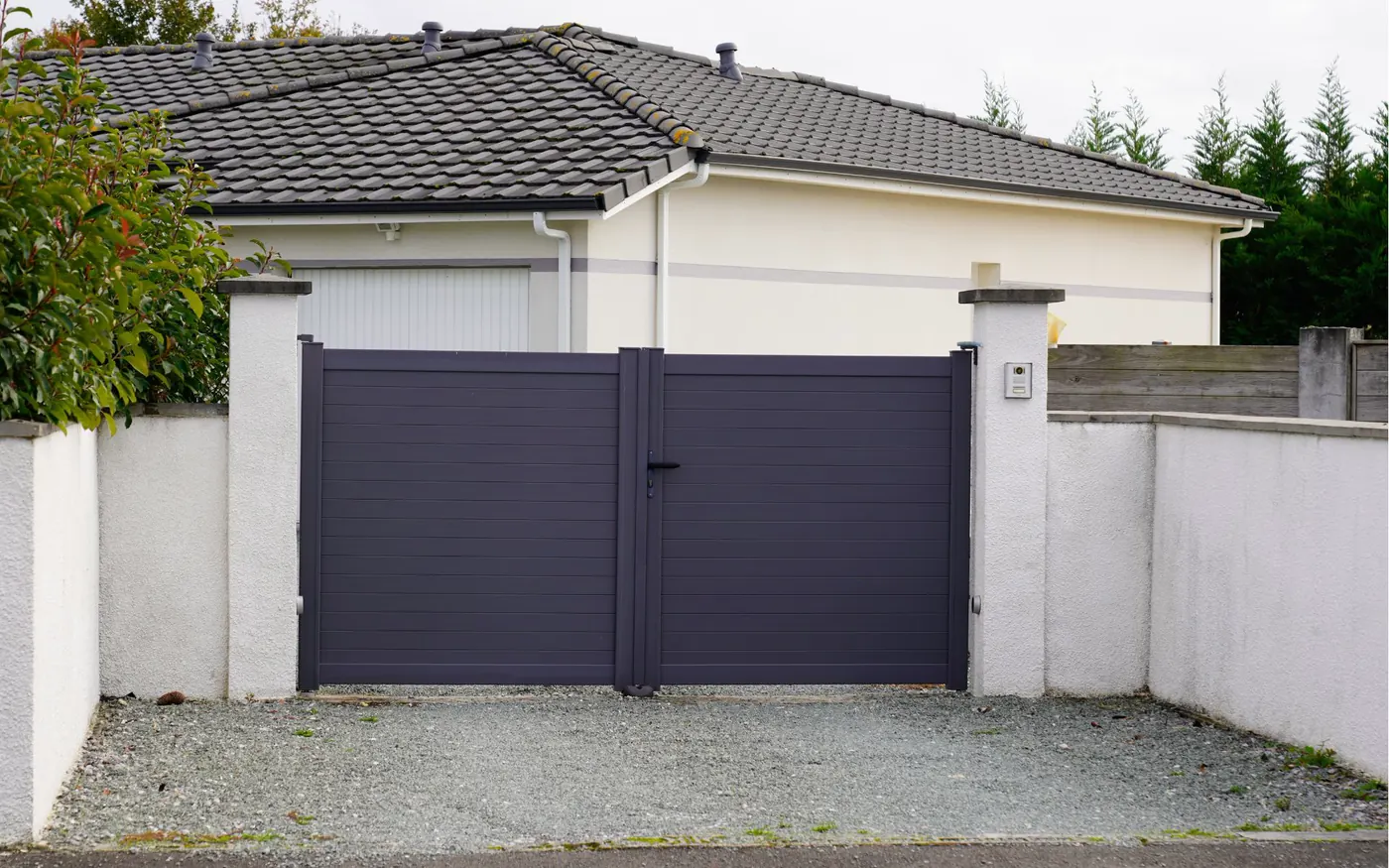
A gate at the street end of a shared driveway is a popular idea for security and for keeping children and dogs in. It affects everyone's access, so it needs everyone's agreement, preferably in writing, covering:
- Who pays for the gate and its upkeep.
- How each household, their visitors, couriers and emergency services get through.
- What happens in a power cut if it is automated.
- Whether the gate stays if a property is sold.
One owner fitting a gate, or locking one, without the others' consent is the classic way to end up in a dispute. A gate across your own entrance further up the drive, off the shared part, is a different matter and is yours to decide. For the practical side, see gate installation and electric gates.
Design choices that keep the peace
- Step the height. Full height beside your outdoor living area, dropping to about a metre near the street.
- Use open sections. Slats or pool-style panels near the crossing keep sight lines.
- Finish both faces. Lapped and capped palings look good from the driveway side, which matters to the people who drive past it every day.
- Protect the bottom. A fence close to a driveway gets clipped by wheels and bumpers. A kerb or a retaining board helps.
- Think about headlights. A solid fence beside bedroom windows blocks light from cars coming up the drive at night.
Infill and new townhouses
Shared driveways are multiplying in suburbs such as Riccarton, St Albans, Papanui and Shirley as single houses are replaced by several units. Developers normally fence the driveway as part of the build, and the titles for the new units carry easements and often covenants on fencing. If you are the existing neighbour, you are entitled to a fencing notice for any new boundary fence, and to have your say on it.
Before you build: a short checklist
- Get the title and easement documents.
- Find the boundary pegs.
- Talk to every owner who uses the driveway, and write down what is agreed.
- Confirm height and visibility rules with your council.
- Ask the fencer to mark the fence line on the ground before any holes are dug.
If neighbours cannot agree, Community Law centres and Citizens Advice Bureaux give free guidance. The Disputes Tribunal hears fencing claims, and easement disputes may need a lawyer.
Common questions
Can I put a fence along my shared driveway?
Usually yes, if it is on or inside your boundary, leaves the full legal width of the driveway clear and does not block sight lines at the street. Check your title for the easement terms and any covenants first.
Can my neighbour put a gate on our shared driveway?
Not without the agreement of everyone who has a right to use it. A gate that restricts access interferes with the other users' rights. Get any agreement in writing.
Who pays for a fence beside a shared driveway?
If it is a boundary fence between two different occupiers, the cost of an adequate fence is generally shared under the Fencing Act 1978. If you own the driveway land yourself, a fence between it and your house is your own cost.
Who maintains a shared driveway in NZ?
Unless the easement document says otherwise, the owners who use it generally share the reasonable cost of maintenance and repair equally. Whoever causes damage pays for it.