In short
- Licensed removal of a fibre-cement fence is typically $70 to $150 per metre, with a minimum job of $1,500 to $2,500.
- You cannot tell by looking. A lab test confirms it.
- Never cut, drill, break or water-blast a suspect fence.
- The new fence is a separate cost.
Removing an asbestos fence in New Zealand typically costs $70 to $150 per lineal metre when done by a licensed asbestos removalist, with most firms setting a minimum of $1,500 to $2,500 for a small job. That covers set-up, careful removal, wrapping, transport and disposal at a facility that accepts asbestos. Testing and the replacement fence are priced separately.
Is my fence asbestos?
From the 1940s until the late 1980s, fibre-cement sheet was a common fencing material across New Zealand. It was cheap, it did not rot, and much of it contained asbestos. In Christchurch you see it most in suburbs built in the 1950s to 1970s.
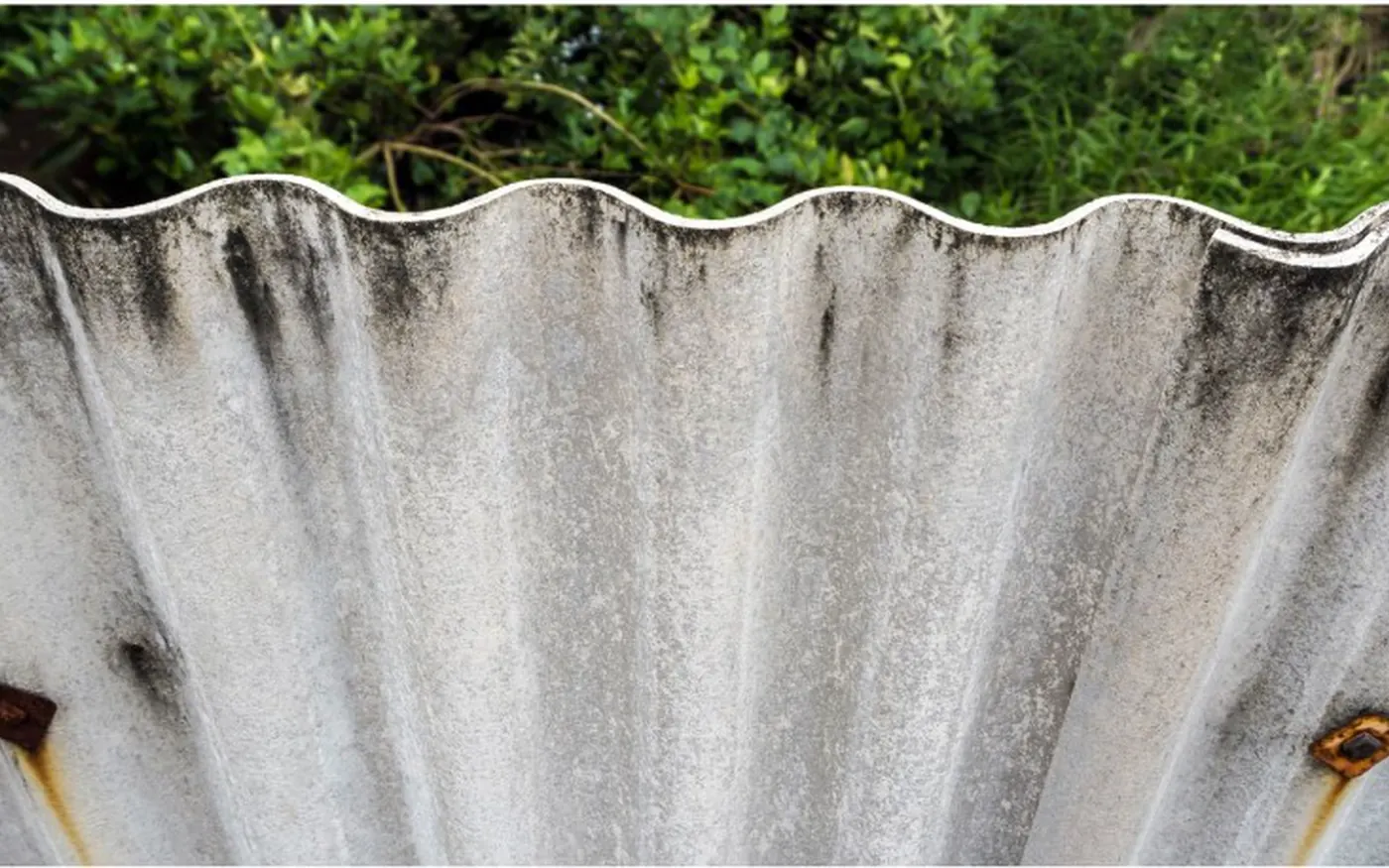
The fences are easy to recognise as a type:
- Grey cement sheets, either corrugated in deep waves or flat.
- Sheets set into the ground or into a concrete strip, sometimes with a moulded capping along the top.
- A weathered surface, often with moss or lichen, and a dimpled texture on the back.
- Posts of concrete or timber, with the sheets bolted or clipped on.
What you cannot tell by looking is whether a particular sheet contains asbestos. Later fibre-cement products do not. The only way to know is to have a sample tested by an accredited laboratory, which costs about $100 to $250 per sample including collection. If you do not test, treat it as asbestos.
How dangerous is it?
Asbestos cement in good condition, left alone, releases very few fibres. The risk comes when the sheet is broken, cut, drilled, sanded or water-blasted, or when it has weathered so badly that the surface is crumbling. Fibres that are breathed in can cause serious lung disease decades later. That is why the rules are about how the material is handled, and why smashing an old fence into a skip is the worst thing to do with it.
Who is allowed to remove it
The Health and Safety at Work (Asbestos) Regulations 2016 set the rules, and WorkSafe enforces them. In general terms:
- Work done by a business on more than 10 square metres of bonded asbestos, such as cement sheet, must be done by a licensed asbestos removalist. A 1.8 metre high fence reaches 10 square metres in under 6 metres of length, so nearly every fence job is licensed work.
- Crumbling or damaged asbestos that can be reduced to powder by hand is treated more strictly and needs a higher class of licence.
- After licensed removal, the area is inspected and cleared by an independent competent person before it is handed back.
- A fencing contractor cannot simply pull the sheets out as part of building your new fence unless they hold the right licence.
Homeowners sometimes ask whether they can do it themselves on their own property. The licensing rules are aimed at workplaces, but the health risk is the same for anyone, the disposal rules apply to everyone, and your neighbours are downwind. WorkSafe's guidance is to use a licensed removalist. Check the current requirements with WorkSafe and your council before doing anything.
What sets the price
| Factor | Effect on price |
|---|---|
| Length and height | Priced on the area of sheet. Longer jobs cost less per metre once the set-up is paid for. |
| Condition | Broken, burnt or crumbling sheets need more control measures and cost more. |
| How it is fixed | Sheets buried deep or set in concrete take longer to free without breaking. |
| Access | Tight boundaries, gardens and buildings against the fence slow the work. |
| Disposal | Wrapped waste goes to an approved facility, and the fee is by weight. |
| Clearance | The independent inspection and certificate are usually itemised. |
A worked example
A 20 metre fibre-cement fence between two back yards, in fair condition with easy access:
- Licensed removal at $70 to $150 per metre: $1,400 to $3,000.
- One lab test beforehand: $100 to $250.
- New standard paling fence, 20 metres at $180 to $280 per metre: $3,600 to $5,600.
So the whole job, old fence out and new fence in, sits at roughly $5,100 to $8,850.
Who pays on a shared boundary?
An old asbestos fence on the boundary usually belongs to both neighbours. Under the Fencing Act 1978, neighbours generally share the cost of replacing a fence that is no longer adequate, and removing the old one is part of that work. It is not automatic. Talk to your neighbour, share the test result and the quotes, and agree in writing. If you cannot agree, the Act has a notice process, and it is worth getting advice. See the Fencing Act guide.
How a removal job runs
- Test. A sample is taken and sent to a lab. Results usually take a few days.
- Quotes. Get the removal quoted by a licensed removalist and the new fence quoted by a fencer. Some firms coordinate both.
- Notice. The removalist notifies WorkSafe before licensed work starts and lets the neighbours know.
- Removal. The area is cordoned off. Sheets are wetted down, unfixed whole where possible, wrapped in heavy plastic and labelled. Fragments in the soil along the fence line are picked up.
- Clearance. An independent inspection confirms the area is clean.
- New fence. The fencer builds the replacement, usually within days so the boundary is not left open.
If dogs, a pool or a road boundary are involved, ask for temporary fencing between removal and rebuild.
Replacing it
Most owners replace a fibre-cement fence with timber paling or steel panel fencing. Both give the same full privacy. The fence cost calculator will give you a range for the new fence, and the guide to steel, aluminium and timber fencing compares the options.
Common questions
How much does it cost to remove an asbestos fence in NZ?
Typically $70 to $150 per lineal metre by a licensed removalist, with a minimum of about $1,500 to $2,500 for a small job. Condition, access and disposal fees move the price.
Can I remove an asbestos fence myself?
WorkSafe advises using a licensed asbestos removalist. Breaking or cutting the sheets releases fibres, and the waste can only go to a facility that accepts asbestos. Check the current rules with WorkSafe and your council first.
How do I know if my fence has asbestos?
You cannot tell by eye. Fibre-cement fences built before the late 1980s may contain it. A laboratory test on a small sample is the only way to be sure.
Is it safe to leave an asbestos fence where it is?
If the sheets are intact and nobody disturbs them, the risk is low. Do not drill, cut, sand or water-blast them. Once sheets are cracked, broken or crumbling, plan to have the fence removed.